Over the past decade, cannabis use has undergone one of the most dramatic cultural transformations of any consumer product in modern history. What was once driven largely by counterculture and underground markets has steadily moved into the mainstream, reshaped by legalization, scientific research, changing consumer expectations, and evolving social attitudes. The result is a cannabis landscape that looks very different today than it did ten years ago.
One of the most significant changes has been legalization and regulation. A decade ago, only a handful of U.S. states allowed recreational cannabis, and medical programs were often limited or highly restrictive. Today, recreational use is legal in many states, medical programs are widespread, and regulated dispensaries operate much like traditional retail businesses. This shift has normalized cannabis consumption, allowing people to engage openly without the stigma that once surrounded it. For many consumers, cannabis is now viewed as comparable to alcohol—something to be used responsibly rather than feared or hidden.
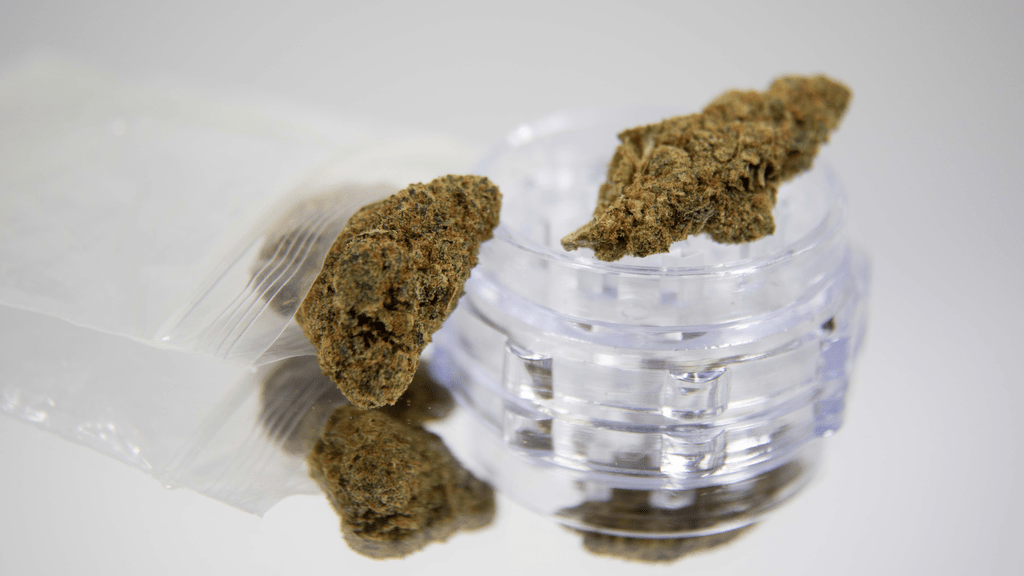
Product diversity has also exploded. Ten years ago, cannabis use was largely centered on smoking flower. While flower remains popular, modern consumers now have access to an extensive range of products, including edibles, beverages, tinctures, topicals, capsules, vapes, and fast-acting formats designed for precise dosing. This expansion has attracted new audiences, including older adults, wellness-focused consumers, and people who previously avoided cannabis due to the health concerns associated with smoking.
Alongside product innovation, consumer education has improved dramatically. Today’s users are far more informed about cannabinoids, terpenes, dosage, and effects. THC is no longer the sole focus; compounds such as CBD, CBG, CBN, and THCV have entered everyday conversations. Many consumers now choose products based on specific outcomes—sleep support, pain relief, creativity, focus, or relaxation—rather than simply seeking intoxication. This reflects a broader shift toward intentional and functional use.
Social acceptance has played a major role in changing consumption patterns. Cannabis use is now openly discussed in professional settings, social media, wellness circles, and even among athletes and public figures. High-profile endorsements and personal stories have helped reposition cannabis as a lifestyle and wellness tool rather than a taboo substance. This visibility has encouraged more people to explore cannabis responsibly and openly, contributing to a broader and more diverse consumer base.
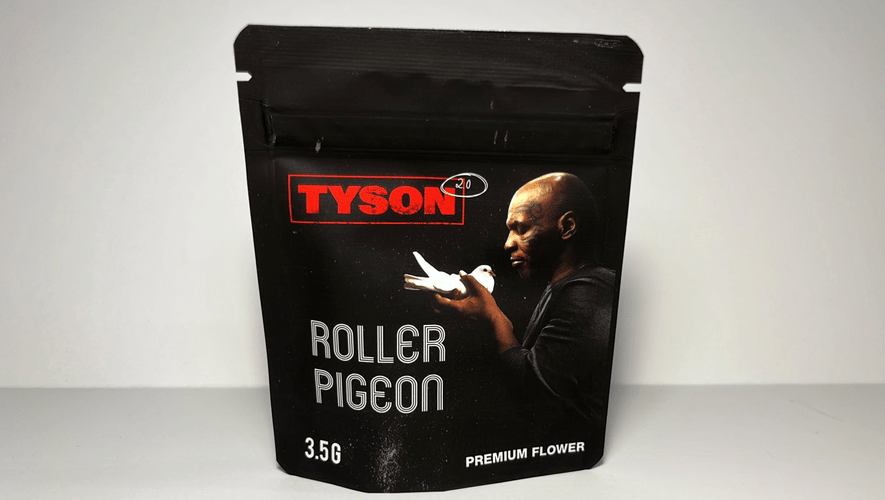
Technology and branding have further transformed how cannabis is consumed and perceived. Sleek packaging, lifestyle-driven branding, and data-driven cultivation practices have elevated cannabis into a premium consumer category. Lab testing, terpene profiling, and consistent dosing have increased trust and reliability, addressing concerns that once deterred cautious users. In many markets, cannabis brands now compete on quality, experience, and identity in much the same way as food, beverage, or fashion brands.
Another notable change is the rise of wellness-oriented and low-dose consumption. Microdosing has become increasingly popular, particularly among consumers seeking subtle effects that fit into daily routines. Instead of strong, overwhelming experiences, many users prefer smaller, controlled doses that enhance mood or focus without impairment. This shift reflects changing attitudes toward balance, productivity, and mindful consumption.
Despite these advances, challenges remain. Legal inconsistencies between states, federal restrictions, and lingering stigma in certain communities continue to shape access and perception. However, compared to a decade ago, cannabis use today is more informed, intentional, and socially accepted than ever before.
Ultimately, the last ten years have transformed cannabis from a misunderstood substance into a regulated, researched, and widely embraced part of modern culture. As laws, science, and consumer preferences continue to evolve, cannabis use is likely to become even more refined—less about rebellion and more about choice, wellness, and responsible enjoyment.
Related read: How Gen Z Views Cannabis Differently